For months we've talked about the El Niño phenomenon.
We've read forecasts.
We've followed official bulletins.
We've heard warnings.
But I think those of us who work in logistics should start asking ourselves a much more uncomfortable question:
What have we actually changed in our operations?
Because the problem doesn't start when it rains.
It starts much earlier, when we design a supply chain that depends too heavily on everything working exactly as expected, every single day.
One large central warehouse.
Inventory concentrated in a handful of locations.
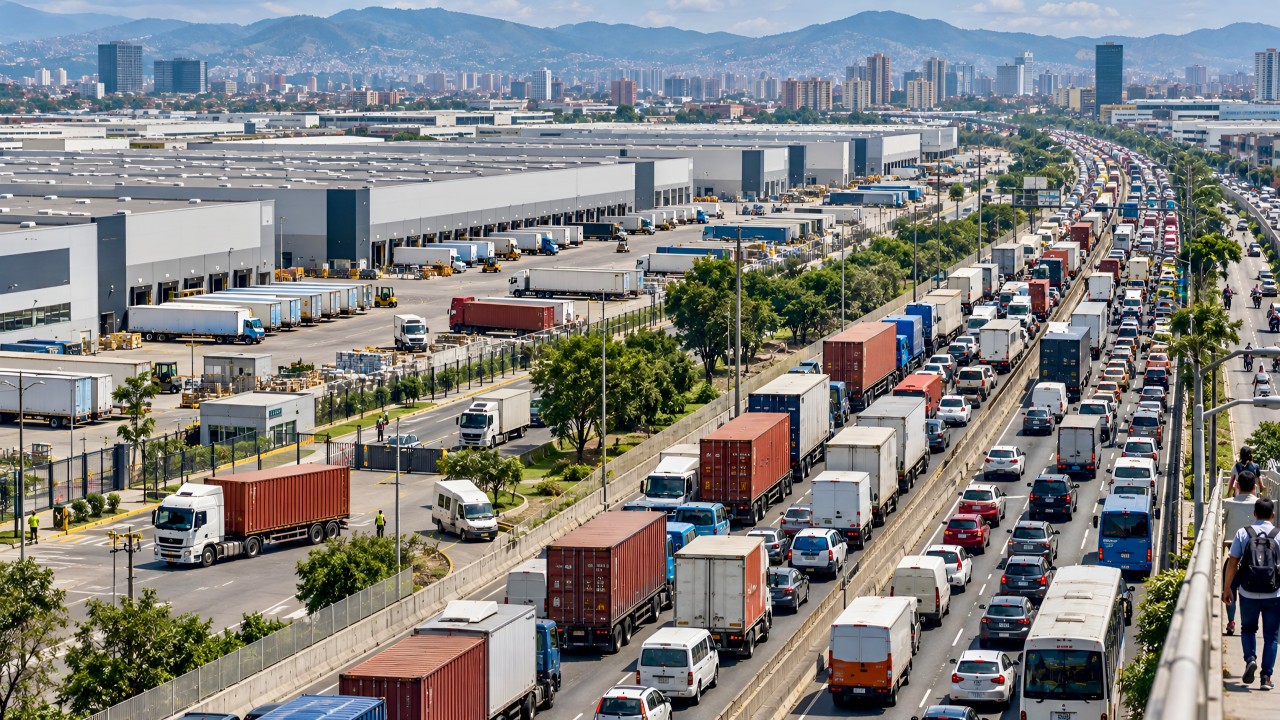
A single main supply route.
Few critical suppliers.
Corridors we simply assume will always be available.
Operations optimized to cut costs and time, but not necessarily built to keep functioning when something breaks.
For years we chased efficiency.
And we were probably right to.
But maybe we should ask ourselves whether, while we were cutting costs, inventory and redundancy, we were also cutting our ability to respond.
El Niño could put that question on the table.
Not because we know exactly which road might be cut off, which bridge might be restricted, or which city might face the greatest difficulties.
Precisely because we don't know.
That's why I believe we're still in time to do something we usually leave until the emergency has already started:
look at our entire logistics network through the lens of risk, not only efficiency.
I would start today.
Map the entire network. Warehouses, suppliers, plants, roads, bridges, critical bridges, cities, customers and supply routes.
Identify our single points of failure. What happens if we lose a warehouse, a road, a supplier or a carrier for several days?
Review where our inventory actually sits. Not just how much stock we have, but where it should be positioned before a possible disruption.
Design routes A, B and C. The alternate route should be known before you need it — not once your vehicles are already stuck.
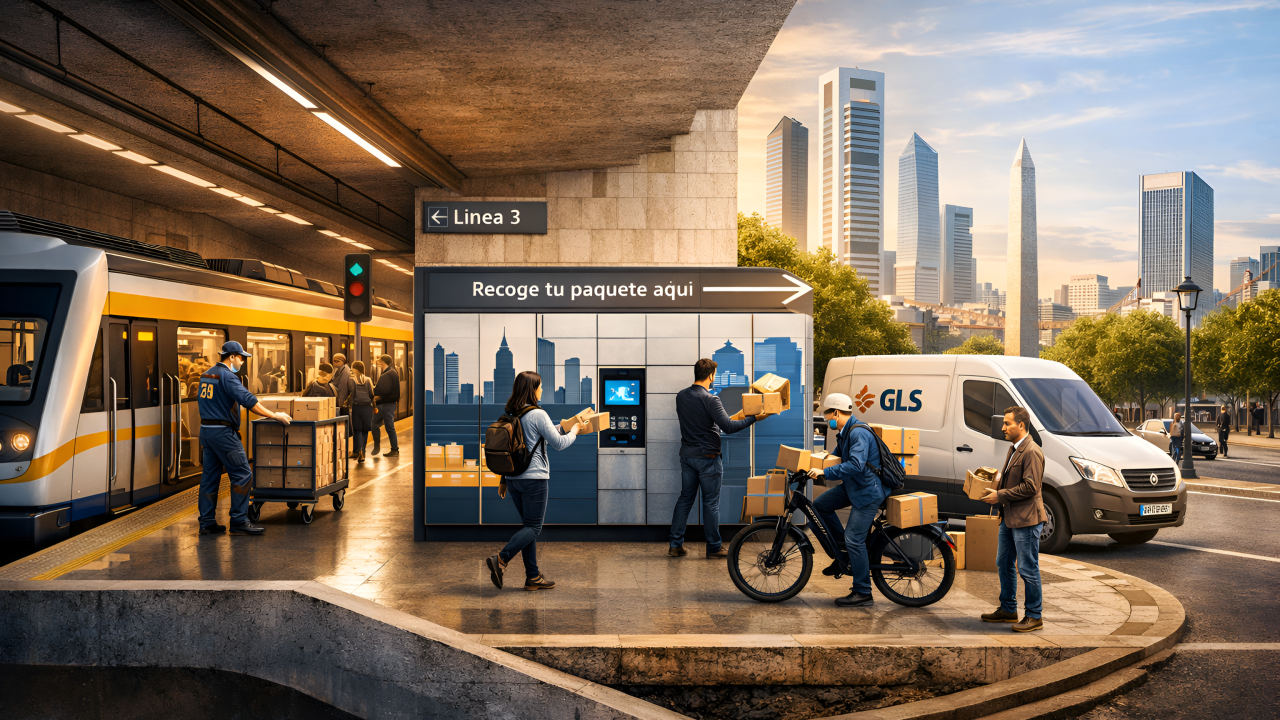
Evaluate selective decentralization. Regional hubs, cross-docking, temporary warehouses, alternative operators or micro-hubs can become strategic redundancies without duplicating your entire infrastructure.
Bring climate risk into supply-chain decisions. Data from NOAA, ENFEN, SENAMHI, CENEPRED and INDECI should start talking to inventory, procurement, transport, suppliers and S&OP.
And I'd add something we sometimes forget.
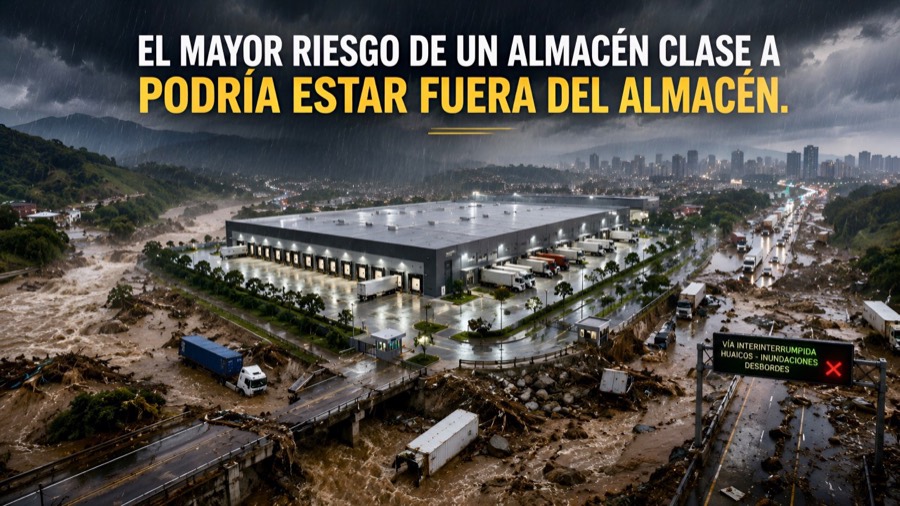
Preparing doesn't just mean checking roofs, drains, pumps, or protecting the goods inside the warehouse.
All of that is necessary.
But we can have a perfectly protected warehouse and a completely paralyzed operation because the real problem was 100 kilometers upstream.
On a road.
On a bridge.
At a supplier.
At the access point to a city.
That's where the thought that worries me most comes in.
Maybe for years we designed our logistics thinking mainly about the day everything works.
The real challenge now is knowing whether we also designed it for the day something stops working.
El Niño isn't necessarily going to create our vulnerabilities.
It could simply make visible the ones we already have.
So before asking how strong El Niño will be, I'd start with another question:
If one of our chain's main nodes stopped working tomorrow for a week, are we genuinely prepared to keep operating?