
For years it was said that Lima lived with its back to the sea.
And it was true.
The city grew ignoring its most valuable edge… until it finally turned to face it and turned it into one of its main urban spaces.
But today, Lima is repeating the same mistake.
Only this time it's not with the sea.
It's with something far more structural:
its river… and its metro stations.
This isn't a landscaping problem. It's a city problem.
The Rímac River isn't just water.
It's history, it's natural infrastructure, it's a water source, it's identity.
And above all, it's a squandered urban opportunity.
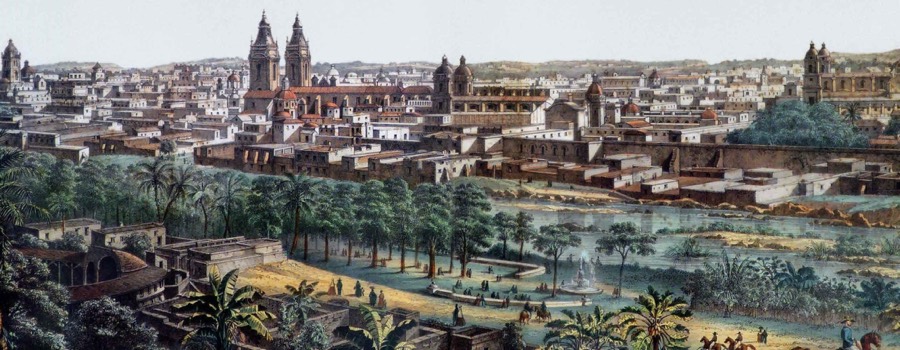
Look at what other cities have done:
Madrid transformed the Manzanares River with Madrid Río, turning a barrier into an axis of urban life.
Paris reclaimed the Seine as an active, everyday public space.
Seoul tore down a highway to give the Cheonggyecheon River back its central role.
Medellín understood that a river could stitch a territory together rather than just mark its edge.
All of them grasped something crucial:
A river doesn't divide a city. It structures it.
In Lima, by contrast:
We've channeled it
We've boxed it in with highways
We treat it as a problem
And we've ended up losing the most important thing:
its capacity to generate city.
And now we're doing the same thing with the metro
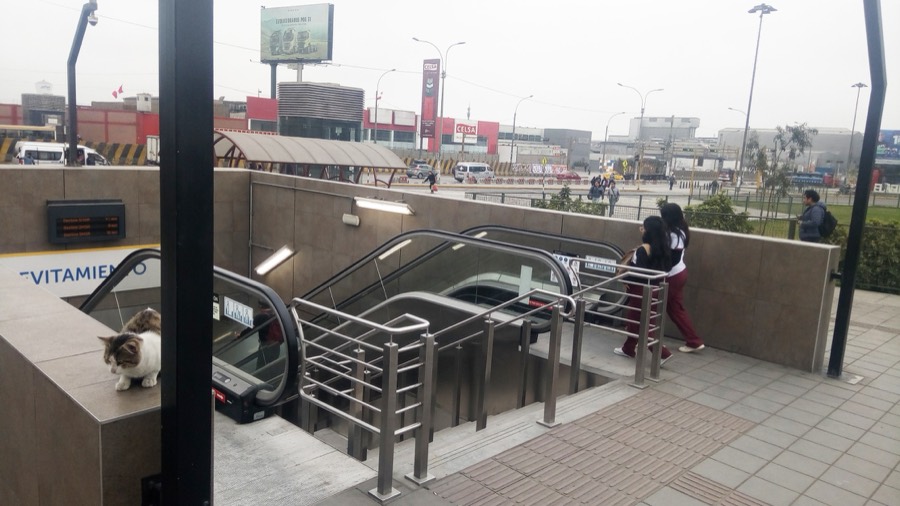
Lima Metro Line 2 isn't just a transport project.
It's probably Lima's biggest urban opportunity in decades.
But here comes the uncomfortable question:
Are we building city around the metro… or just tunnels underneath it?
In other cities, stations are far more than access points:
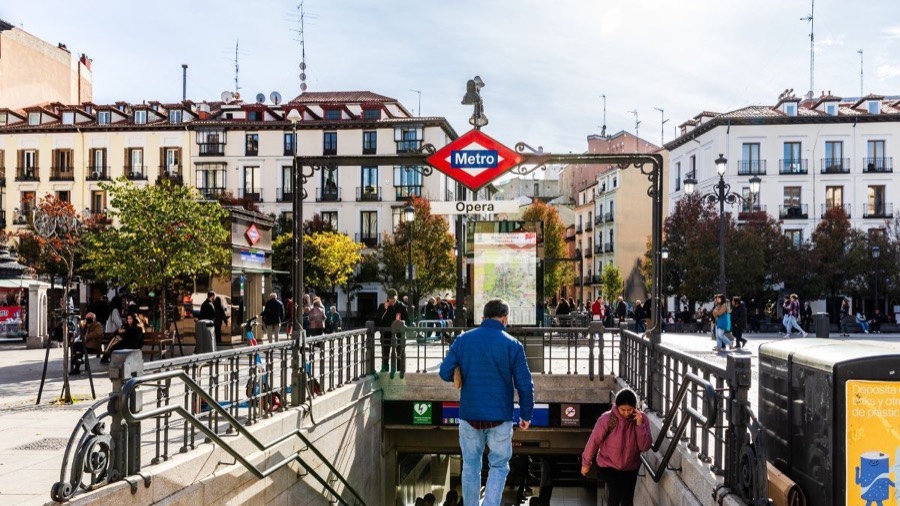
In Madrid, they activate retail, housing and public space
In Tokyo, they're genuine urban ecosystems
In Hong Kong, they fund city-building through integrated real estate development
In Santiago, they structure new centralities through forward-looking planning
In Lima, in many cases, we see the opposite:
Disconnected surroundings
Weak public space
A lack of mixed uses
Real estate development with no node logic
In other words:
infrastructure without urbanism.
What's already happening in other cities (and almost no one is watching)
There are cities that aren't waiting to solve the entire system…
before they start building city.
They're doing something far more interesting:
concentrating the solution in a single project.
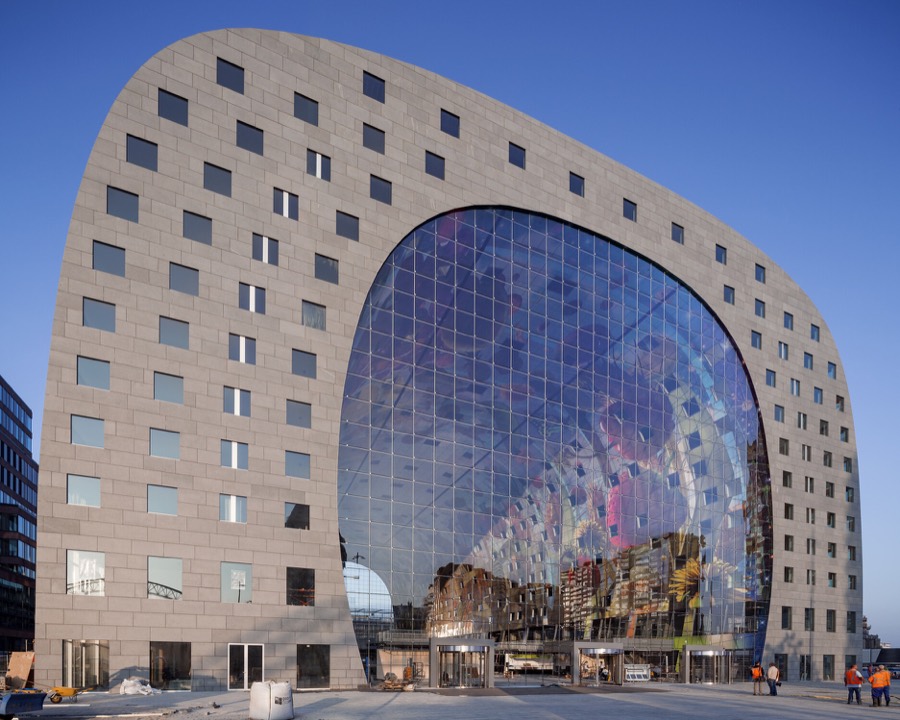
A clear example is the Markthal in Rotterdam, developed by MVRDV.
A project that pulls off something that still seems impossible in many cities:
Housing
Retail
Food
Public space
Operations
Constant flow
All in one place.
But the most powerful thing isn't what it mixes…
it's how it mixes it.
Here, public space isn't outside.
It's at the heart of the project.
Housing isn't separated from retail.
It wraps around it.
And logistics isn't hidden away.
It's built in.
This isn't a building.
It's an urban logic.
What this should make us question
If other cities are already building projects that function as city…
why in Lima do we keep developing projects that function as isolated pieces?
The market already understood something the city still hasn't
While public space isn't reacting…
the market is.
Land prices near stations are rising
New real estate projects are showing up
Future accessibility is already being priced in
But be careful.
The market can capture value… without necessarily creating city.
And that's where the risk lies.
Because when that happens:
Density piles up without planning
Surrounding areas become saturated
The chance to build real centralities gets lost
Lima doesn't need more infrastructure. It needs to understand it
This isn't an investment problem.
It's a reading problem.
Lima already has — or is already building — extraordinary assets:
A river with enormous urban potential
An underground metro line that will cross the city
Nodes like Evitamiento that concentrate real flows
But it keeps treating them as isolated pieces.
And a city doesn't work that way.
A city works as a system.
What's at stake here isn't small.
We're talking about the chance to:
Create new urban centralities
Cut real travel times
Integrate housing, retail and logistics
Recover quality public space
Improve quality of life
But that's not going to happen on its own.
Building the metro isn't enough. Intervening on the river isn't enough.
You have to design what happens around them.
The question that actually matters
If Lima keeps seeing the river as a problem… and the stations as mere infrastructure…
it will lose the most important opportunity in its recent history.
But if it starts seeing them for what they really are:
the new axes that can redefine the city,
then it won't just stop living with its back turned…
it will finally start working as a system.
💬 I'll leave you with an open question:
Are we designing the city around its flows… or letting the market design it for us?


